



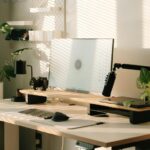


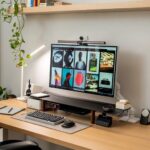

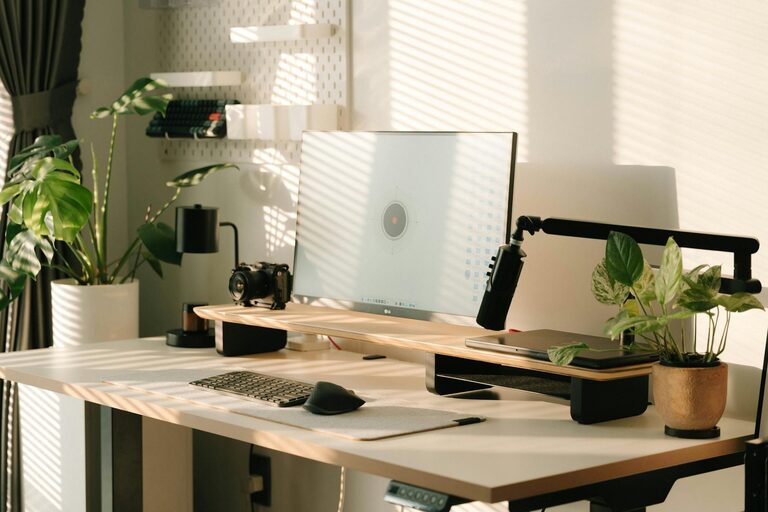
Creating a productive home office environment is essential for maintaining focus and efficiency, especially as more people blend work and home life. A well-designed workspace can help you separate work from personal time, reduce distractions, and improve overall job satisfaction. In this guide, we’ll share practical tips to create a home office that supports your productivity and wellbeing.
Choose the Right Location
Selecting the ideal spot for your home office is the first step toward creating a productive environment. Consider the following:
– Quiet area: Pick a space away from household noise, such as a spare room or a corner with minimal foot traffic.
– Natural light: Wherever possible, place your desk near a window to benefit from daylight, which can improve mood and reduce eye strain.
– Privacy: Choose a location where you can focus without interruptions, especially if you have family or housemates.
If space is limited, even a dedicated nook or a well-organised desk in a less used room can work effectively.
Invest in Ergonomic Furniture
Comfort plays a big role in productivity. Spending long hours at a poorly designed desk or chair can lead to discomfort or health issues.
– Ergonomic chair: Look for an adjustable chair that supports your lower back and allows your feet to rest flat on the floor.
– Desk height: Your desk should enable you to work with your forearms parallel to the floor and wrists in a neutral position.
– Screen position: Position your computer screen at eye level about an arm’s length away to prevent neck and eye strain.
These ergonomic solutions help maintain good posture and reduce fatigue throughout your working day.
Organise Your Workspace
Clutter can distract and slow down your workflow. Keeping your workspace tidy and organised can improve focus.
– Declutter daily: Clear your desk of non-essential items before and after work.
– Storage solutions: Use drawers, shelves, or organisers to store documents, stationery, and equipment neatly.
– Limit distractions: Remove or silence items that might interrupt your concentration, such as mobile phones or unnecessary notifications.
Set up a filing system for important papers, either physical or digital, to keep information accessible but out of sight.
Manage Lighting Effectively
Good lighting affects both mood and productivity.
– Use natural light: Maximise daylight where possible, but avoid glare on your screen.
– Supplement with task lighting: A good desk lamp with adjustable brightness can help during darker hours or on gloomy days.
– Avoid harsh overhead lighting: Soft, diffused lighting is easier on the eyes and creates a comfortable atmosphere.
Consider installing blinds or curtains to control the amount of sunlight, which will also help prevent screen glare.
Create a Routine and Boundaries
A predictable routine helps signal the start and end of the workday, making it easier to maintain focus and balance.
– Set work hours: Decide on start and finish times and stick to them as much as possible.
– Take breaks: Use short breaks to stretch, hydrate, and refresh your mind.
– Define boundaries: Communicate with family members or housemates about your work schedule to minimise interruptions.
Having a dedicated workspace helps reinforce these boundaries visually and mentally.
Enhance Your Environment with Personal Touches
Adding a few personal items can make your home office inviting and motivate you to spend time there.
– Plants: Indoor plants improve air quality and create a calming atmosphere.
– Artwork or photos: Display items that inspire or relax you without causing distraction.
– Comfort items: A cosy blanket, cushion, or favourite mug can make your space more pleasant.
Balance is key – personalise without overcrowding your desk or workspace.
Utilise Technology Wisely
The right tools can streamline your workflow and prevent frustration.
– Reliable internet: Ensure you have a stable and fast connection to avoid interruptions in video calls or cloud work.
– Noise-cancelling headphones: These can help block out background noise when you need to concentrate.
– Productivity apps: Use to-do lists, calendars, or time management apps to organise tasks effectively.
Regularly update your software and keep your devices charged to maintain efficient working conditions.
Prioritise Air Quality and Temperature
Comfort extends beyond furniture and lighting.
– Ventilation: Keep windows open when possible or use an air purifier to maintain fresh air.
– Temperature: Ensure the room is neither too hot nor cold, adjusting heating or fans as necessary.
– Humidity: A moderate humidity level helps prevent dryness and discomfort.
A comfortable environment supports longer periods of focus and reduces physical distractions.
Conclusion
Building a productive home office environment is about creating a space where you feel comfortable, focused, and motivated. By choosing the right location, investing in ergonomic furniture, organising your workspace, managing lighting, setting routines, and personalising your area, you make it easier to work efficiently from home. Paying attention to technology, air quality, and temperature will further enhance your daily experience. With these tips, your home office can become a place where productivity flourishes.