








Creating a productive home office space doesn’t need to be expensive. Whether you’re working from home permanently or just need a dedicated spot for occasional work, a well-organised and comfortable space can improve your focus and efficiency. The good news is that you don’t have to spend a fortune to create an environment that supports your work. Below are practical tips for setting up an effective home office on a budget.
1. Choose the Right Location
Your workspace should be somewhere you can work comfortably with minimal distractions. Try to find a quiet corner or a less-used room. Ideally, select a spot with natural light as this can enhance mood and productivity.
– Avoid high-traffic areas.
– Keep your workspace away from noisy appliances.
– If space is limited, consider multi-functional areas like a dining table that can double as a desk.
2. Invest in an Ergonomic Chair and Desk
Comfort is key when you spend hours sitting and working. While ergonomic furniture can be costly, there are affordable options and second-hand deals that won’t compromise your posture and comfort.
– Search for second-hand or clearance sales online and in furniture stores.
– If a new desk is out of budget, consider a sturdy table or even a shelf mounted at the right height.
– Use cushions or rolled towels for lumbar support if you can’t upgrade your chair immediately.
3. Organise with Budget-Friendly Storage
Keeping your workspace tidy can greatly improve productivity. Affordable storage solutions help keep papers and supplies neatly organised.
– Use shoe boxes, jars, or cardboard containers decorated with wrapping paper or fabric for stylish storage.
– Magnetic strips and pegboards can be made or bought cheaply to hold small items like scissors and stationery.
– Label folders and boxes to make items easy to find.
4. Maximise Lighting Without Overspending
Good lighting reduces eye strain and keeps you alert. If your room lacks natural light, affordable lamps can make a big difference.
– Position your desk near a window for daylight.
– Choose LED desk lamps which are energy-efficient and provide good illumination.
– Consider soft white bulbs to create a warm atmosphere without harsh glare.
5. Personalise Your Space with Inexpensive Decor
A few personal touches can make your workspace welcoming and inspiring without costing much.
– Print your favourite quotes or pictures and frame them yourself.
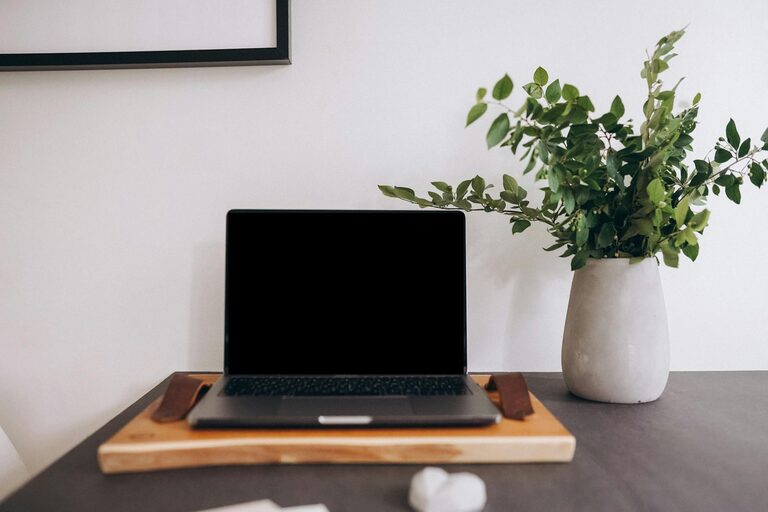
– Add plants—potted herbs or succulents are usually inexpensive and help purify the air.
– Use colourful stationery or a nice mouse mat for a pop of colour.
6. Minimise Technology Costs
You don’t need the latest gadgets to work effectively from home.
– Use your existing computer or laptop if possible.
– Consider free or low-cost software for productivity and organisation like Google Workspace, Trello, or Zoom.
– Ensure your internet connection is stable; upgrading your plan might be more cost-effective than new hardware.
7. Keep Cable Clutter Under Control
Messy cables can be distracting and even hazardous. Simple cable management tools help maintain a neat appearance.
– Reuse toilet paper rolls or bread clips to keep cables separated.
– Use twist ties or velcro straps to bundle cables together.
– Sticky-backed clips can secure wires to the underside of desks.
8. Maintain a Daily Routine for Productivity
No matter how well your office is set up, habits affect productivity a lot.
– Set specific working hours and stick to them.
– Take short breaks to stretch and rest your eyes.
– Keep your workspace clean at the end of each day.
9. DIY Solutions for Office Accessories
Many office essentials can be made at home with materials you already have.
– Create your own desk organiser using jars and boxes.
– Make a memo board using cork or fabric on a cardboard base.
– Use old magazine holders as file storage.
10. Reassess and Adjust Periodically
Your needs may change over time, so review your workspace every few months.
– Do you need more storage or better lighting?
– Could furniture be rearranged for better flow?
– Is your office still comfortable and inspiring?
Small adjustments can make a big difference without major expenses.
—
Conclusion
Building a productive home office space on a budget is achievable with some planning and creativity. Focus on comfort, organisation, and good lighting as essential elements. Use second-hand furniture, DIY projects, and everyday items to keep costs low. Plus, don’t forget the importance of routines and a pleasant atmosphere to help you thrive in your home working environment. With these tips, you’ll be on your way to a functional and inspiring workspace that supports your productivity—without draining your wallet.