




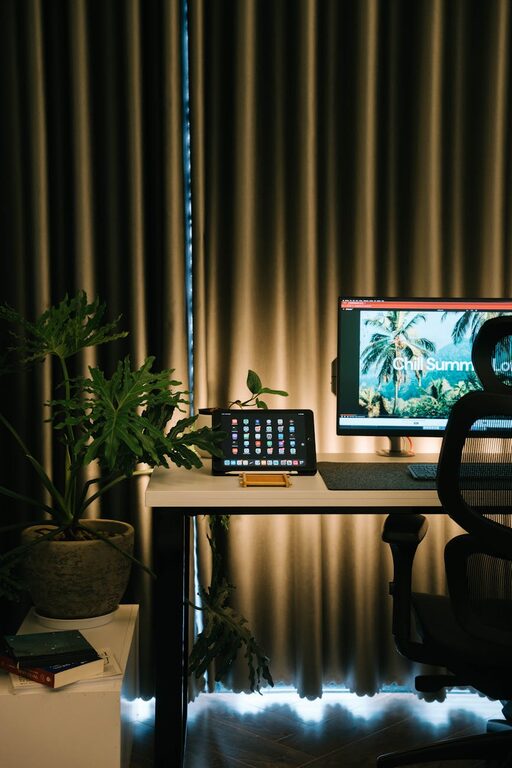
Creating a home office that balances relaxation and productivity can greatly enhance your work-from-home experience. Whether you’re new to remote work or looking to improve your current setup, a thoughtfully designed workspace can help you stay focused, reduce stress, and maintain a healthy work-life balance. Below are some practical tips to inspire your home office design.
Choose the Right Location
Selecting the right spot for your home office is the first step in creating a comfortable environment.
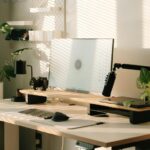
– Natural Light: Aim for a space with plenty of natural light. It boosts mood, reduces eye strain, and helps regulate your sleep cycle.
– Quiet Area: Choose a room or corner with minimal noise distractions. If this is not possible, consider noise-cancelling headphones or soundproofing solutions.
– Privacy: If your work involves confidential tasks or frequent video calls, ensure the area offers enough privacy.
Invest in Comfortable and Functional Furniture
Ergonomics matters when it comes to both productivity and well-being.
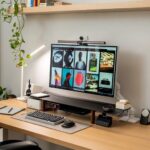
– Desk: Pick a desk that fits your available space, with enough surface area to accommodate your work essentials. Adjustable desks or sit-stand options can add flexibility.
– Chair: Choose an ergonomic chair with good lumbar support. A comfortable chair prevents back pain and encourages good posture.
– Storage: Organise your materials using shelves, filing cabinets, or small storage boxes to keep your desk clutter-free.
Optimise Lighting
Proper lighting can reduce fatigue and improve concentration.
– Task Lighting: Use a desk lamp where possible to provide focused light for reading or detailed work.
– Avoid Glare: Position your computer screen to avoid glare from windows or overhead lights, reducing eye strain.
– Adjustable Options: Consider dimmable lights or smart bulbs to tailor the ambience throughout the day.
Minimise Clutter and Organise Effectively
A tidy workspace helps to clear your mind and boost productivity.
– Declutter Regularly: Remove unnecessary items and keep only what you need for your daily tasks.
– Use Organisers: Trays, pen holders, and document organisers help keep essentials in order.
– Digital Organisation: Maintain a tidy desktop and utilise folders for digital files to reduce stress caused by disorganisation.
Personalise Your Space
Adding personal touches can make your office feel welcoming and motivating.
– Plants: Indoor plants improve air quality and add a calming natural element.
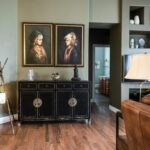
– Artwork: Choose pictures or posters that inspire or relax you.
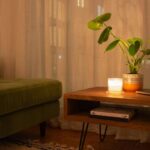
– Comfort Items: A soft cushion, favourite mug, or scented candle can enhance your comfort.
Create a Routine and Boundaries
A productive home office goes beyond physical design; it also involves habits.
– Set Work Hours: Define clear start and finish times to balance work and personal life.
– Breaks: Schedule short breaks to stretch and rest your eyes, promoting focus throughout the day.
– Separate Work and Leisure: Avoid working in shared or leisure spaces like the living room or bedroom if possible. This mental distinction aids relaxation outside work hours.
Utilise Technology Wisely
Technology can both aid and distract you in your home office.
– Reliable Equipment: Invest in a dependable computer, high-speed internet, and quality peripherals.
– Noise Control: Use headphones or white noise apps to maintain concentration.
– Minimise Distractions: Turn off non-essential notifications and consider apps that block distracting websites during work periods.
Maintain Air Quality and Temperature
A comfortable environment supports long working hours.
– Ventilation: Open windows regularly for fresh air or use air purifiers if needed.
– Temperature: Keep your office at a comfortable temperature using fans, heaters, or air conditioning as necessary.
– Humidity: Consider a humidifier if your office tends to be dry, especially during colder months.
Keep Hydrated and Snack Wisely
Small health practices support your overall productivity and wellbeing.
– Water: Keep a water bottle on your desk to remind yourself to stay hydrated.
– Snacks: Opt for healthy snacks like nuts or fruit to maintain energy without causing sugar crashes.
Final Thoughts
Designing your home office is a personal process that blends comfort, functionality, and aesthetics. By carefully selecting your location, furniture, lighting, and adopting habits that foster wellbeing, you can create a space that not only supports productivity but also provides a relaxing atmosphere where you enjoy spending your workday.
Remember, there’s no one-size-fits-all solution—adjust these tips to suit your specific needs and preferences. With a little planning and thought, your home office can become a productive haven tailored just for you.