









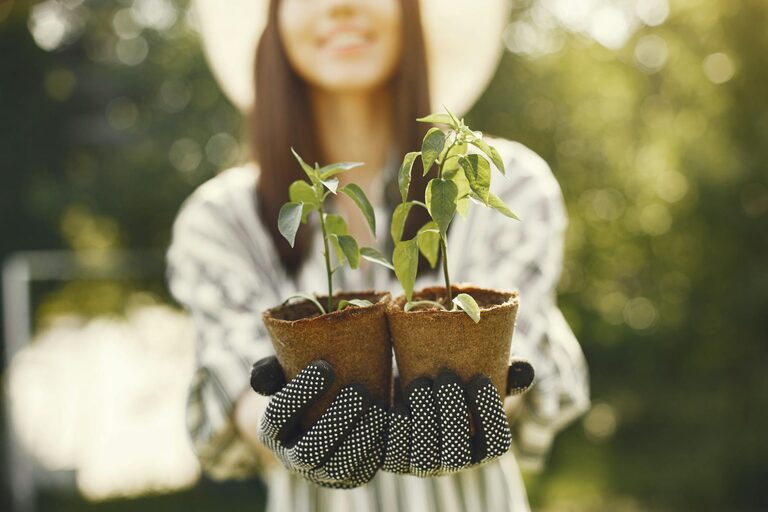
Creating a sustainable home garden is a rewarding way to enjoy fresh produce, support local wildlife, and reduce your environmental impact. Whether you have a small balcony or a spacious backyard, adopting sustainable practices can keep your garden flourishing through every season. This guide offers clear, practical tips to help you build and maintain a healthy garden all year round.
Understanding Sustainable Gardening
Sustainable gardening means growing plants using methods that support the environment, conserve resources, and promote biodiversity. It focuses on reducing waste, using natural processes, and choosing plants that suit your local climate and soil.
Planning Your Garden for Year-Round Success
Choose Native and Seasonal Plants
Selecting native plants is one of the best ways to create a sustainable garden. Native species are adapted to your local climate and soil, requiring less water and fewer fertilisers. They also support local wildlife such as bees, butterflies, and birds.
Seasonal plants ensure that your garden thrives throughout the year. By planting crops or flowers according to their natural growing periods, you’ll avoid unnecessary stress on the plants and the environment.
Crop Rotation and Companion Planting
If you grow vegetables or herbs, practise crop rotation to maintain soil health. Rotating different plant families helps prevent soil depletion and reduces the risk of pests and diseases.
Companion planting involves growing certain plants together to improve growth and protect each other. For example, planting marigolds alongside tomatoes can deter pests naturally.
Soil Health and Composting
Build Healthy Soil
Healthy soil is the foundation of a thriving garden. Avoid using chemical fertilisers and instead enrich your soil with organic matter like compost, manure, or leaf mould. This improves soil structure, fertility, and water retention.
Start Composting at Home
Composting kitchen scraps and garden waste reduces landfill and provides nutrient-rich material for your plants. A compost bin or heap allows natural decomposition to turn waste into valuable fertiliser. Remember to balance green materials (like vegetable scraps) with brown materials (like dried leaves) for best results.
Water Wisely
Use Rainwater Harvesting
Collecting rainwater in barrels or tanks is an eco-friendly way to water your garden while conserving mains water. Rainwater is better for plants as it is free from chemicals commonly found in tap water.
Implement Drip Irrigation and Mulching
Drip irrigation delivers water directly to the roots, reducing waste. Mulching with straw, wood chips, or leaves also helps retain soil moisture, suppress weeds, and regulate soil temperature.
Encourage Wildlife and Biodiversity
Create Habitats
A sustainable garden welcomes wildlife by providing food, water, and shelter. Plant a variety of flowers that bloom at different times to support pollinators year-round. Leave some areas wild or create small insect hotels for beneficial bugs.
Avoid Pesticides and Herbicides
Chemical treatments can harm beneficial insects and contaminate soil and water. Instead, use natural pest control methods such as encouraging ladybirds, introducing companion plants, or handpicking pests.
Seasonal Gardening Tips
Spring
– Prepare beds by adding compost and turning the soil.
– Sow seeds indoors or under cover for early crops such as lettuce and peas.
– Plant bulbs and trees to establish before summer.
Summer
– Water plants early in the morning or late evening to reduce evaporation.
– Harvest ripe fruits and vegetables regularly to encourage more growth.
– Use shade cloth or netting to protect delicate plants from intense sun.
Autumn
– Clear away dead plants and add organic matter to beds.
– Plant autumn crops like kale, garlic, and broad beans.
– Start a new compost pile with autumn leaves and garden waste.
Winter
– Protect plants with mulch or cloches during frost.
– Plan next year’s garden and order seeds early.
– Continue composting kitchen scraps indoors if needed.
Tools and Materials for Sustainable Gardening
– Use hand tools made from sustainable materials such as wood and recycled metal.
– Choose reusable plant ties and natural fibre twine.
– Collect seeds for saving and sharing, reducing the need to buy new every season.
Conclusion
Creating a sustainable home garden requires some planning and mindful choices but pays off with a beautiful, productive space that supports the environment. By choosing native plants, maintaining healthy soil, conserving water, and nurturing wildlife, you can enjoy a vibrant garden throughout the entire year. Start small, stay consistent, and watch your garden grow sustainably!
—
Sustainable gardening not only benefits you but also the planet, making it a fulfilling activity for any gardener. Happy gardening!